mistakes to avoid
Why do so many of our screening no shows never come back, and what can we do about it?
The common handling errors that turn a single missed mammogram into a lost patient, and the recovery steps that pull her back onto the schedule within the same week.
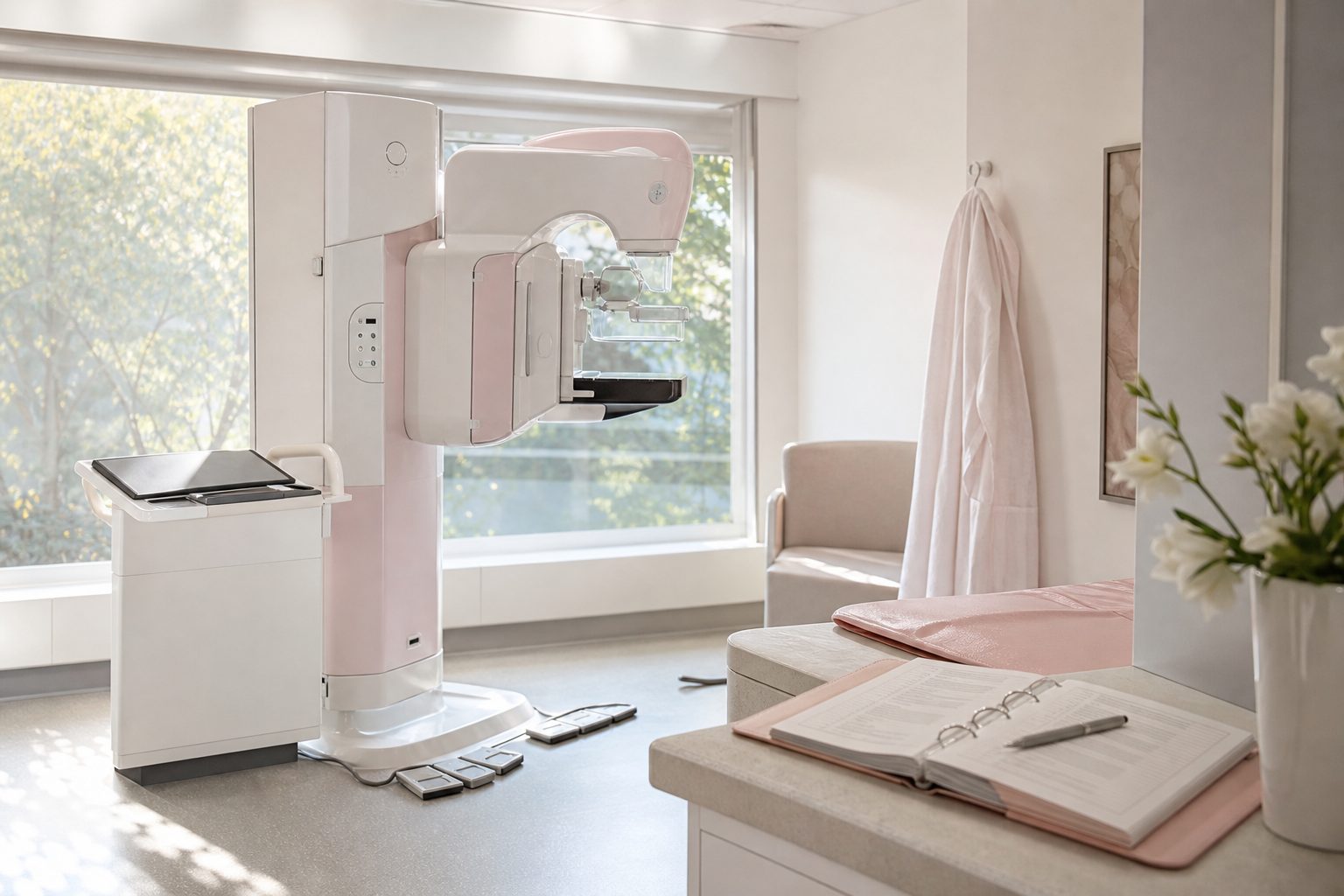
Most screening no shows never come back because nobody at your center owns them after 4pm on the day they were missed. The slot closes, the status flips to "no show" in the RIS, and the patient falls out of every list your staff actually looks at. She is not on today's schedule, she is not on next month's recall list, and she is not on the referring office's radar either. She is nowhere.
The fix is not a better reminder. Reminders work on people who intend to come. A no show is a different problem: something got in the way on the day, and the woman now feels vaguely embarrassed about it. If you reach her inside a week, while the appointment is still a real memory and not a small failure she would rather forget, she rebooks at a much higher rate than she ever will at the twelve month mark.
The silent drop off: why a missed slot rarely gets rebooked on its own
Think about what a missed screening looks like from the patient's side. She did not cancel, so she knows she did something wrong. She did not get a call, so she assumes the center did not much care. Nobody told her when to come instead. In the absence of instruction, the default action is nothing.
On your side, the mechanics reinforce it. Screening mammography is usually self referred or standing order, so there is no ordering physician waiting on a result and no dangling order to chase. Diagnostic exams get chased because someone is waiting for the report. Screening exams do not, which is exactly why the drop off is silent.
Then there is the annual clock. If she misses her March appointment and you do nothing, your recall logic will most likely surface her again around the following March, because your recall date is anchored to her last completed exam. She has now gone twenty four months between screens, and a woman who has fallen out of the annual habit once is far more likely to fall out again.
Keep reading: How many screening slots per day can one mammography unit realistically hold in our center?
Mistake one: closing the appointment without creating a follow up task
This is the single most expensive habit in a screening center, and it is invisible because it looks like tidiness. The scheduler marks the visit as a no show so the daily reconciliation balances, and the record is now clean and closed. Clean and closed means nothing will ever prompt anyone to act on it.
The rule to adopt: a no show status may never be the last thing written on an appointment. Marking no show has to create a next action with an owner and a date, in whatever list your staff opens every morning. If your system does not do that automatically, someone has to hand copy the name onto a callback list, and hand copying is where names get lost on busy days.
Mistake two: waiting for the referring office to reschedule
Centers with a strong OB/GYN and primary care referral base often assume the referring office will handle it. They rarely do, and the reason is structural, not attitudinal. The referring practice learns nothing from your empty room. There is no message that goes back to them saying "your patient did not show for screening on Tuesday" unless you build one. All they see is the absence of a report, which looks identical to a report that has not been transcribed yet.
Notify the referrer if the exam was ordered for a reason, a palpable finding, a short interval follow up, a high risk surveillance schedule. Those are clinical, and the ordering provider needs to know. For routine annual screening, treat the rebooking as yours to do. You have her phone number, you have your own open slots, and you can offer her a time in the same conversation. The referring office can do neither.
Keep reading: What should I say when a patient calls back scared about being asked to return for more images?
Mistake three: rebooking into the same slot type that already failed
She missed a 9:30am Tuesday. So the scheduler offers her a 9:30am the following Tuesday, because that is what is open. If the reason she missed was that 9:30 on a weekday is impossible for her, you have just scheduled a second no show and consumed a second slot.
Before offering anything, ask what happened. Then match the offer to the answer:
- Missed because of work: offer the earliest morning slot you run, the latest evening slot, or a Saturday if you have one.
- Missed because of childcare: offer a slot adjacent to school drop off or pick up, and tell her plainly whether children can wait in your reception area.
- Missed because of transportation: offer a day when she already has another appointment in the same building or complex, and ask if a different day of the week works better for a ride.
- Forgot entirely: offer anything, but move her to a shorter reminder cadence and confirm which number and channel she actually reads.
- Was nervous: this is the one to slow down on, covered below.
One more discipline: do not rebook her more than about five weeks out during a recovery call. Long lead times reintroduce the exact forgetting problem you are trying to solve. If your template is genuinely full, book the far date, then keep her on a short notice cancellation list so she can be pulled forward.
Barriers worth asking about: transportation, work hours, childcare, cost fears
Schedulers are often reluctant to ask why, because it feels intrusive. Frame it as logistics and it stops feeling that way: "I want to find you a time that actually works. What got in the way last week?"
Cost fear is the barrier most often missed, because patients almost never name it. They say they are busy. Screening mammography is covered without cost sharing under most non grandfathered commercial plans and by Medicare Part B once every twelve months, and many women simply do not know that. A scheduler who can say clearly what the visit will cost, and who can name your state's breast and cervical cancer early detection program or your center's self pay screening rate for the uninsured, removes a barrier in fifteen seconds.
Be careful with the boundary. You can state coverage rules and your posted prices. You should not promise a specific out of pocket amount you have not verified against her plan and deductible. "Screening is generally covered at no cost share on plans like yours, and I can verify your benefits before the visit" is honest and useful.
See how MammoLoop handles this for breast imaging and women's screening centers
A same week recovery sequence that fits between calls
This is designed for a two person front desk that also answers the phone all day. Each step is short and the sequence stops as soon as she rebooks.
- Same day, end of session. Confirm the no show status and create the recovery task. Two minutes for the whole day's misses, done as a batch while reconciling the schedule.
- Next business day, morning. A short text: your center's name, that her mammogram appointment was missed, and an invitation to reply or call to pick a new time. Keep it neutral. No mention of results, findings, or anything that reads as clinical.
- Day two or three, midday. A live call. Aim for the quiet stretch between the morning rush and the afternoon block. Ask what happened, offer two specific times, book one.
- Day five. Second call at a different hour than the first. If a woman does not answer at 11am she may well answer at 4pm, and calling at the same time twice tests one hypothesis, not two.
- Day seven to ten. A letter or a portal message with two or three named open dates and a direct number. Something physical still works for the sixty plus cohort.
- Day thirty. One final text or call, then move her back onto the standard annual recall with a flag that she has a missed exam in her history.
Two rules make this survivable. First, cap it: six touches, then stop. Endless chasing burns staff and irritates patients. Second, put the whole sequence on one screen. If your scheduler has to open three systems to see who to call, the calls will not happen on a busy Thursday.
Tracking recovery rate so you can see whether it is improving
One number, defined the same way every month: of the screening no shows in a given month, what percentage completed a screening exam within ninety days of the missed date? Use the missed month as the denominator, not the month the exam happened, or the arithmetic will drift.
Work an example with your own numbers. Say your center runs 24 screening slots a day, 21 days a month, at 88 percent fill. That is about 444 completed exams. At a 9 percent no show rate you missed roughly 44 appointments. Those figures are assumptions, so substitute yours.
| Recovery rate | Exams recovered from 44 misses | Recovered per year |
|---|---|---|
| 15 percent, no process | 7 | 84 |
| 35 percent, text plus one call | 15 | 180 |
| 55 percent, full six touch sequence | 24 | 288 |
The gap between the first row and the third is roughly 200 screening exams a year, plus the diagnostic workups and the downstream continuity that follow from them. Multiply by your own average screening reimbursement to get the dollar figure for your center. Then look at what those 200 exams cost you in staff time: at six touches averaging four minutes each, only for the women who do not rebook on the first two, the sequence adds something on the order of two to three hours of front desk work per month.
Where to start this week
Pick the last sixty days of no shows, print the list, and call it. That single pass will tell you more about your patient population's real barriers than any amount of planning, and it will fill slots. Then make the sequence permanent, because the reason it lapses is never intent, it is that the list has to be rebuilt by hand every morning.
MammoLoop keeps that list built for you: every missed screening drops into a recovery queue with the touch history attached, staged texts and letters go out on the schedule above without anyone remembering to send them, and the recovery rate is on the dashboard rather than in a spreadsheet someone maintains after hours. Your schedulers spend their time on the conversations, which is the part only a person can do.
Next step
Run this recall work once, on a schedule that holds
MammoLoop keeps the twelve month recall cohort current, sends the staged texts and letters, and hands your scheduler a short callback queue instead of a printout. Bring one month of screening volume to the call and we will walk your own numbers.
Read also
How many screening slots per day can one mammography unit realistically hold in our center?
How to calculate true throughput for a screening unit from exam time, room turnover, technologist availability and no show rate, so your template reflects the machine rather than wishful thinking.

What should I say when a patient calls back scared about being asked to return for more images?
A front desk checklist for diagnostic callback calls: what a scheduler may and may not say about results, how to book the visit quickly, and how to keep an anxious patient from canceling.

How did one independent center bring its lapsed annual screening patients back in a year?
A working account of how a two room breast imaging center rebuilt its recall process, reassigned scheduler time, and returned lapsed annual patients to the books over four quarters.